
Women Who Transform: Female Leadership in Health
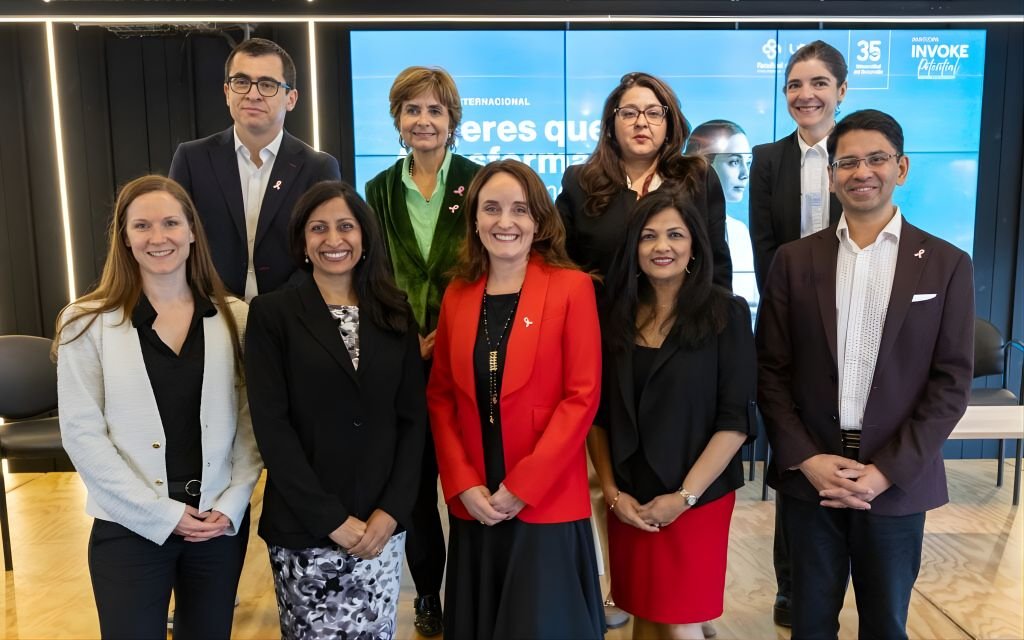
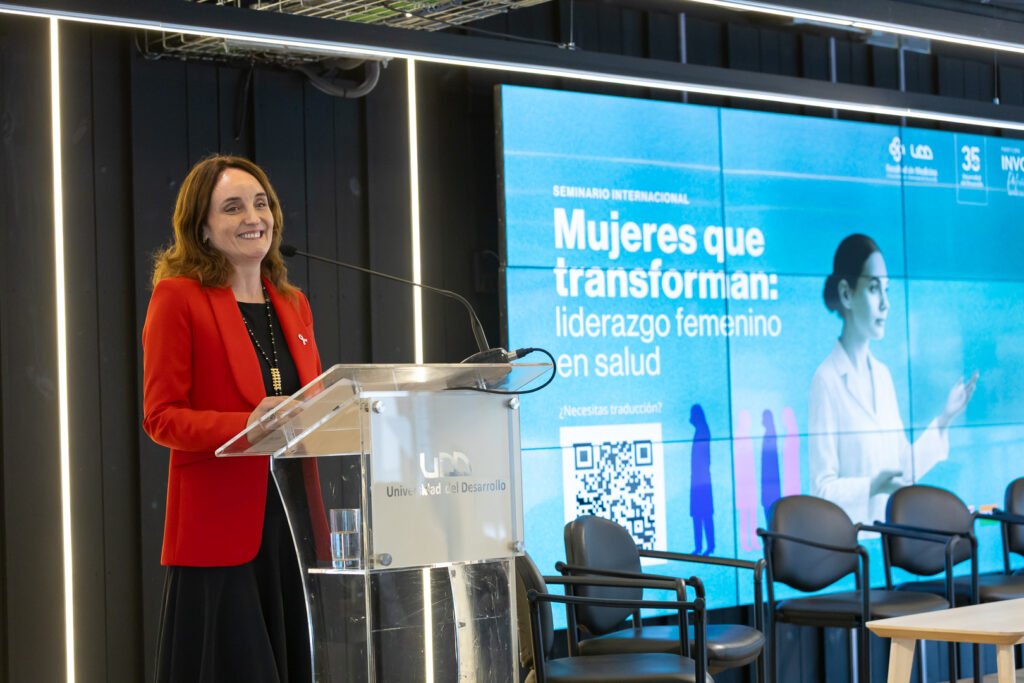
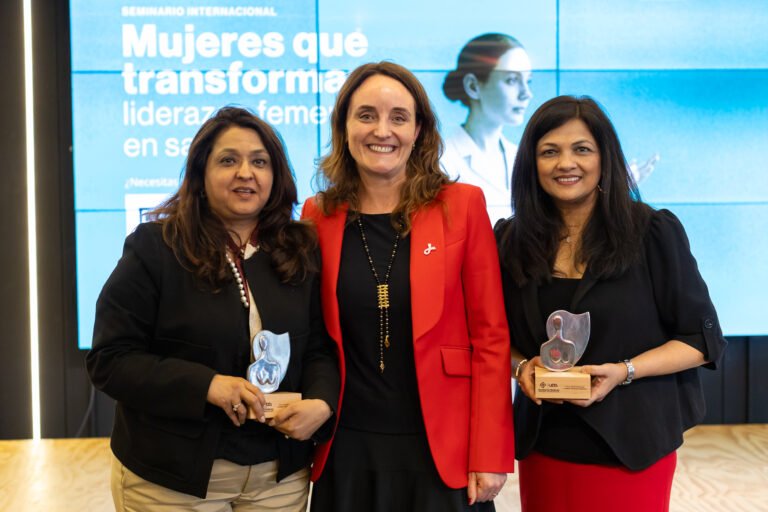
The Faculty of Clinical Medicine of the German Universidad del Desarrollo, in conjunction with Invoke Potential, held the seminar “Women who Transform: Female Leadership in Health”, a space for reflection and learning on the role of women in leadership positions in the area of health.
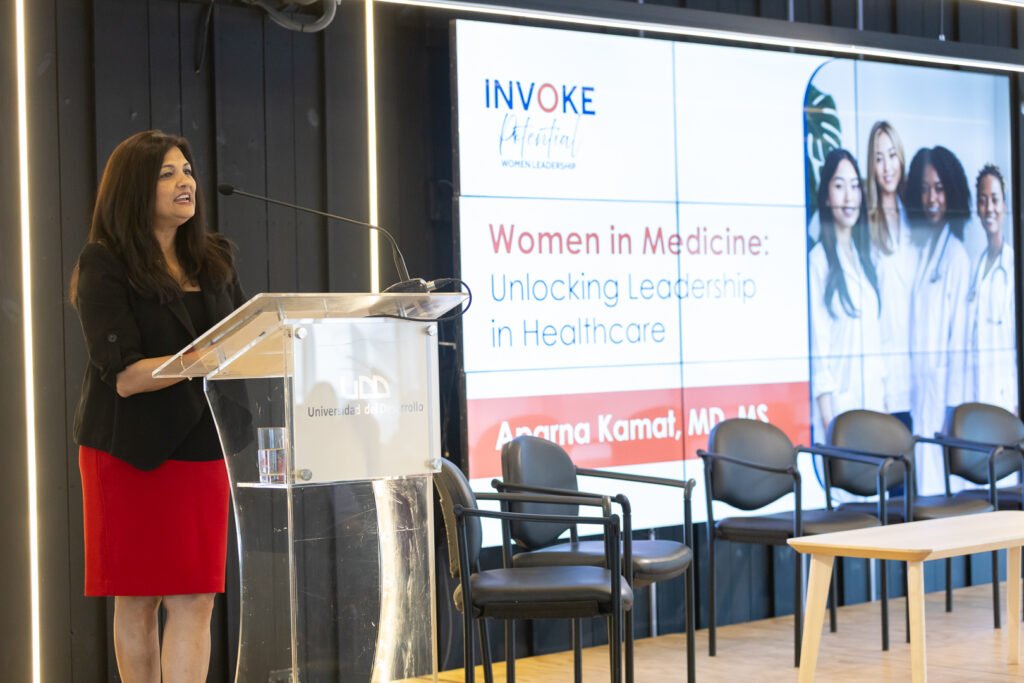
The first talk, “Women in Medicine: Unlocking Leadership in Health,” was given by Dr. Aparna Kamat, director of the Division of Gynecologic Oncology at Houston Methodist Hospital and co-founder of Invoke Potential. Then, Shalini Arora, leader in Gender Equality and co-founding member of Invoke Potential, presented “Mentoring and Sponsorship: Lessons from the Corporate World”, sharing strategies to promote equality in professional spaces.
Subsequently, Dr. Marcela Castillo, presented by Dr. Kamat, presented “Opening paths: being a woman leader in Medicine from Chile”, where she recounted her personal experience and how it has led her to assume leadership roles in health.
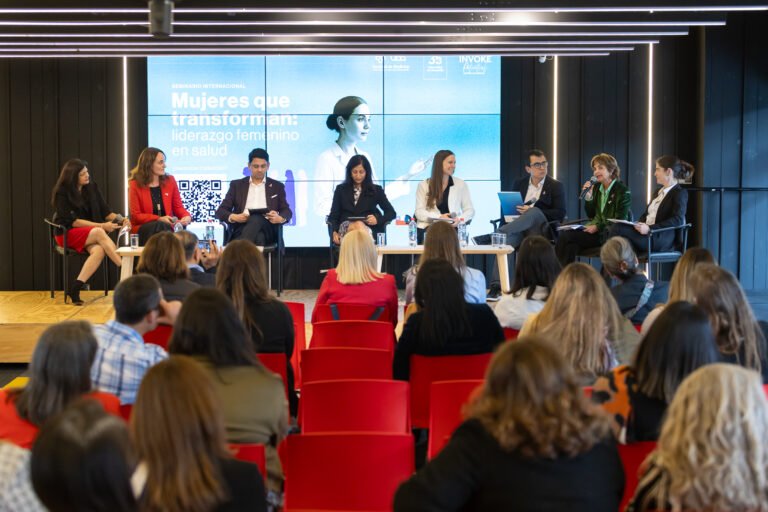
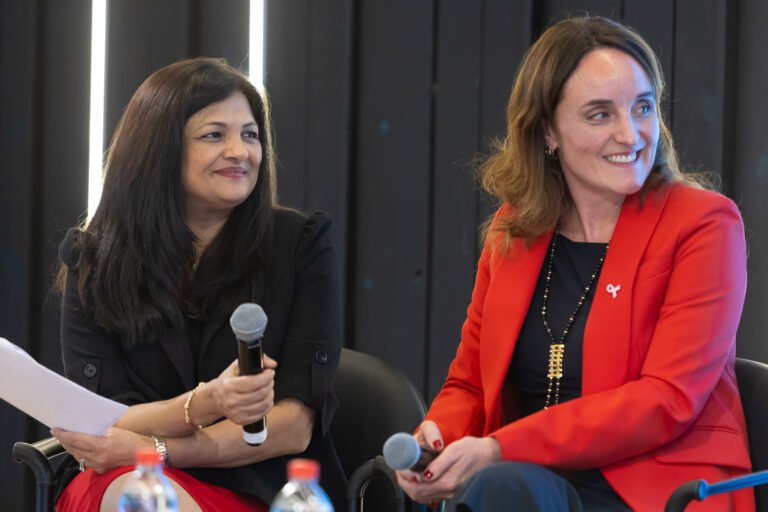
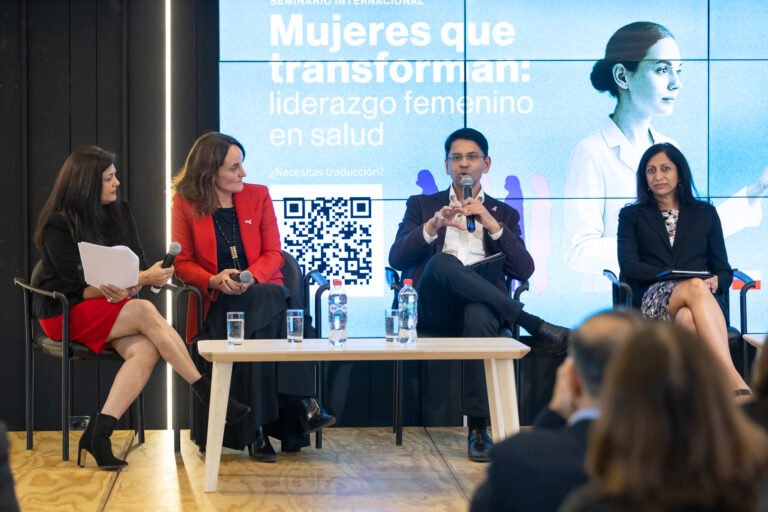
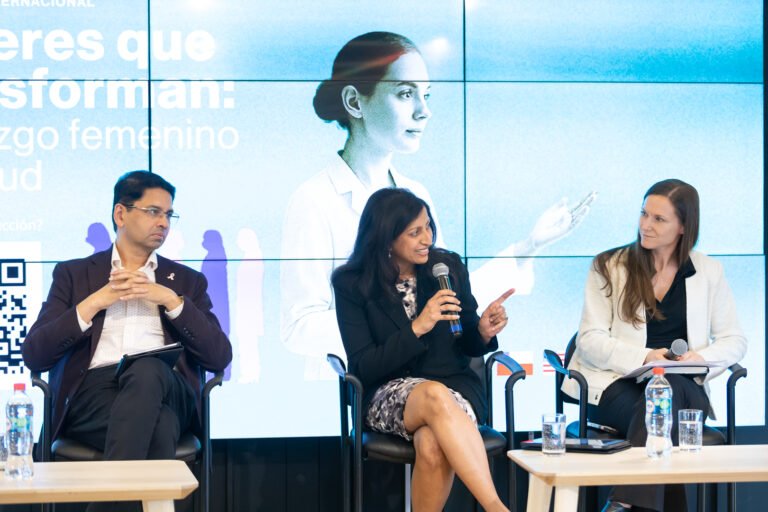
The day continued with a round table moderated by Dr. Kamat and Dr. Castillo, in which prominent figures participated:
- Dr. Paula Daza, former Undersecretary of Health and director of the Center for Public Policies and Innovation in Health UDD, who addressed learnings from female leadership in crisis contexts, highlighting the importance of solid teams, authenticity and active listening.
- Ashish Kamat, M.D., Professor in Urologic Oncology at MD Anderson Cancer Center, shared his experience as a mentor for women in surgery and the relevance of building circles of trust.
- Raúl Jara, director of the UDD Leadership Institute, presented figures that show how female students lead most of the student centers and leadership spaces at the university.
- Fernanda García, deputy director of Faro UDD, analyzed the legal difficulties to accelerate equality in leadership.
- Dr. Sima Porten, who reflected on the challenges faced by women in leadership positions, beyond the region where they work.
- Dr. Lucile Gignon, head of the operating rooms at Clínica Alemana, highlighted the strengths that the female perspective brings to management and leadership, pointing out that in certain contexts these perspectives can enrich teams and generate better results.
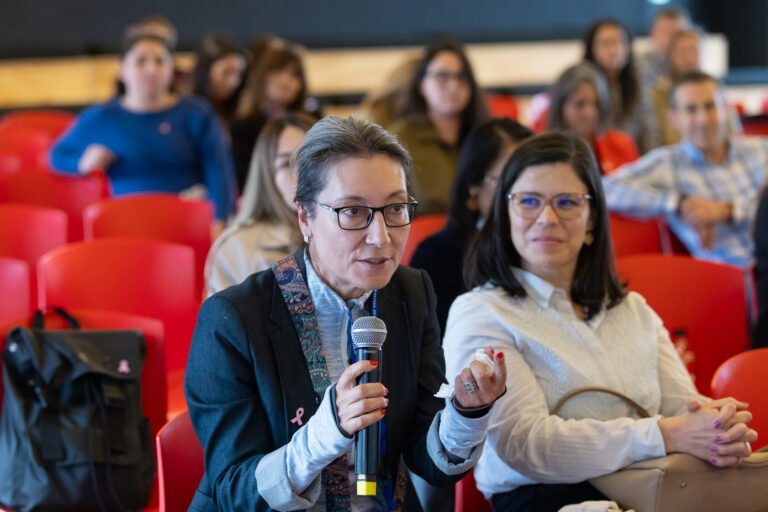
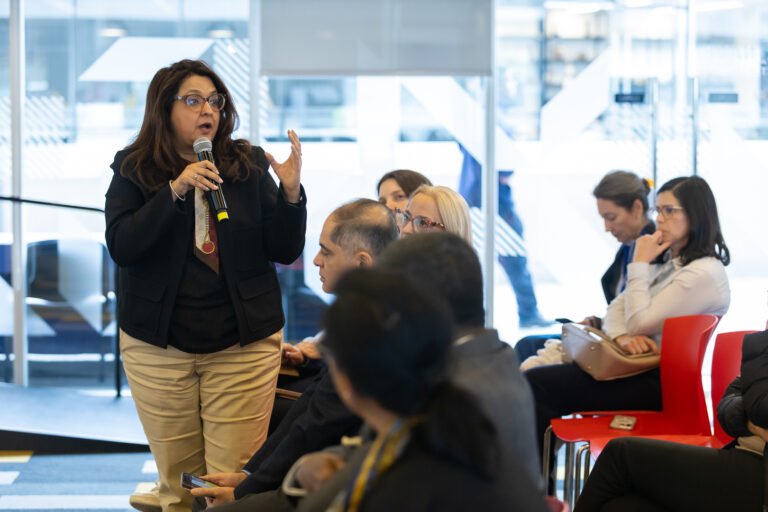
The seminar concluded with a cocktail of camaraderie, where participants continued to talk and deepen these issues, strengthening networks and links to promote women’s leadership in health.